Source Modern Aluminum Skirting Board for Hotels, Apartments, and Offices
Source modern aluminum skirting board from 30 verified suppliers. Compare profiles in the 60 Series with finishes like powder coating and anodizing. Options include customized sizes, T-profiles, and various thicknesses for hotel and apartment applications; compare the available evidence and request quotations based on your requirements.
Key considerations
Products List


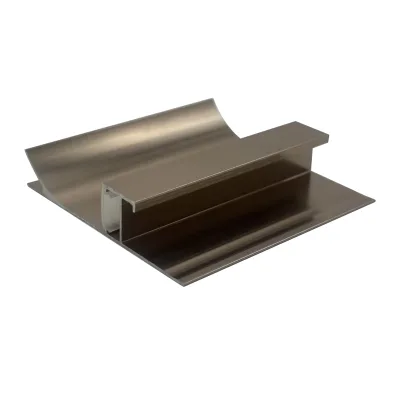


$2600.00 - $3000.00
Moq: 5


Comprehensive Sourcing Guide
Modern Aluminum Skirting Board Sourcing Guide
Modern aluminum skirting boards serve as critical architectural elements that bridge the gap between flooring and wall surfaces in commercial and residential environments. These profiles are frequently utilized in hotels and apartments where durability and a sleek aesthetic are paramount. The observed market data indicates a strong preference for the 60 Series and T-Profile shapes, which offer structural integrity while maintaining a minimalist design style suitable for contemporary interiors.
Buyers must distinguish between standard mill finishes and specialized treatments like powder coating or anodizing, as these choices directly impact the product's longevity and visual appeal. The supply chain often supports customized sizes and colors, allowing procurement teams to align the skirting boards with specific project requirements. Understanding the distinction between a standard stainless steel baseboard and a dedicated aluminum profile is essential for selecting the correct material grade for the intended application.
Product Scope and Observed Listing Signals
The current market listings reveal a diverse range of product attributes, including specific alloying ingredients and surface finishing processes like chemical polishing and powder spraying. Buyers should note that while some listings highlight a 6000 Series alloy, others may reference stainless steel bases, requiring careful verification of the core material composition. The observed price range is broad, reflecting variations in thickness, length, and the complexity of the surface treatment applied during manufacturing.
Procurement teams must scrutinize the listed specifications for dimensions such as thickness ranging from 0.8mm to 1mm and lengths typically available at 2.5m or 2.7m. The packaging standards vary from EPE foam inside with wood crates outside to simple carton packing, which influences shipping costs and damage risk. Observing the selling units as single items suggests flexibility for small orders, yet the MOQ range of 1 to 3000 units indicates that volume discounts may be available for larger projects.
Technical Specifications to Verify
Verifying the exact alloy grade and temper is the first step in ensuring the skirting board meets structural demands. The 6000 Series is commonly cited, offering a balance of strength and formability, while the T3-TType temper suggests specific mechanical properties suitable for industrial and decorative applications. Buyers should confirm that the profile shape, often a T-Profile, aligns with the intended installation method and the specific requirements of the wall or floor interface.
Surface treatment capabilities are equally critical, with options including anodizing, powder coating, and wooden finishes available in the market. The thickness of the material, typically between 0.8mm and 1mm, must be verified against the project's durability needs, as thinner profiles may be prone to denting in high-traffic areas. Additionally, the availability of processing services like punching, cutting, and CNC machining allows for precise customization to fit complex architectural layouts.
Compliance and Safety Documentation
Ensuring that the supplier provides valid certification documents is a non-negotiable step in the procurement process. The observed listings frequently mention certifications such as CE, ISO, ISOROHS, and CCC, which indicate adherence to international safety and environmental standards. Buyers must request physical copies of these certificates to verify that the specific batch of aluminum profiles complies with the regulations of the destination market.
Beyond general certifications, specific product standards like ISO9001 for quality management systems should be confirmed to ensure consistent manufacturing processes. The presence of CCC certification is particularly relevant for products destined for the Chinese market or those requiring specific local safety approvals. Procurement teams should also verify that the supplier's quality control measures align with the project's safety requirements, especially for applications in public spaces like hotels.
Cost Drivers and Commercial Terms
The final cost of modern aluminum skirting boards is heavily influenced by the complexity of the surface treatment and the degree of customization required. While standard mill finishes may be more economical, specialized options like powder coating or anodizing add significant value but also increase the unit price. Buyers should analyze the trade-off between the initial material cost and the long-term maintenance savings offered by durable finishes.
Commercial terms such as lead time and delivery conditions play a crucial role in project scheduling, with observed delivery windows ranging from 7 to 20 days. The MOQ flexibility allows for smaller initial orders, but larger volumes may require longer lead times of 12 to 15 working days. Understanding the packing requirements, such as the use of wood crates for heavy shipments, is essential for calculating accurate logistics costs and ensuring the product arrives without damage.
Supplier Qualification and Quality Control
Evaluating a supplier's project solution capability is vital for ensuring they can handle complex procurement needs. The market data suggests that many suppliers offer cross-category consolidation and graphic design services, which can streamline the sourcing process for large-scale developments. Buyers should assess whether the supplier can provide 3D model designs and other technical support to ensure the skirting boards integrate seamlessly with the overall architectural plan.
Quality control extends beyond the initial product inspection to include after-sales service and warranty provisions. Suppliers offering online technical support, free spare parts, and return policies demonstrate a commitment to long-term customer satisfaction. It is important to verify if the supplier provides onsite installation support or if the responsibility for installation lies entirely with the buyer, as this impacts the overall project timeline and resource allocation.
Long-Term Procurement Checks
Establishing a reliable supply chain requires ongoing monitoring of supplier performance and product consistency over time. Buyers should regularly review the supplier's ability to maintain the specified alloy grades and surface finishes across multiple production batches. Consistency in dimensions, such as the 40mm to 100mm height range, is critical for maintaining a uniform appearance throughout the building or across multiple project sites.
Long-term partnerships should also include clear agreements on after-sales service and dispute resolution mechanisms. The availability of return and replacement services ensures that any defects discovered after installation can be addressed promptly without significant financial loss. By maintaining open communication channels and regularly auditing the supplier's quality control processes, buyers can mitigate risks and ensure a steady supply of high-quality aluminum skirting boards for future projects.
FAQs
What alloy and temper are used for the modern aluminum skirting board?
The skirting boards are produced from 6000 series aluminum alloy with T3-T temper options, which suits extruded architectural trim. This alloy grade offers good formability and corrosion resistance for indoor decoration. If you need a specific temper confirmation or mechanical property sheet for your project, request it from the supplier along with the mill certificate before placing an order.
Can the skirting board be customized in size, color, and surface finish?
Yes, customization is available. Standard heights run 40, 50, 60, 80, and 100 mm, with thickness of 0.8 mm to 1 mm and lengths of 2.5 m or 2.7 m, all adjustable to project requirements. Surface treatments include anodizing, powder coating, brushing, and polishing, and colors can be matched to your design specification for hotel or apartment interiors.
Which surface finishing options are available for aluminum skirting boards?
Available finishes include mill finish, anodizing, powder coating, brushed, polished, and wooden-grain effects. Powder spraying is a common choice for modern interiors because it provides durable color retention. Anodized surfaces suit areas needing extra wear resistance. Choose the finish based on foot traffic, cleaning routine, and whether the skirting needs to match wall color or flooring tone.
How long is the typical delivery time for a customized order?
Delivery time is generally 7 to 20 days depending on order quantity, finish complexity, and whether tooling is needed. Some listings state a lead time of 12 to 15 working days for production. Confirm the exact schedule with the supplier before ordering, and factor in additional shipping time from Guangdong, China to your destination port or project site.
What certifications should I verify when sourcing aluminum skirting boards?
Look for suppliers holding ISO9001 quality management certification, and check product-level certificates such as CE, ISO, and RoHS or CCC where listed. Certifications indicate consistent production control and compliance for building materials. Ask the supplier for valid, dated certificate copies rather than logos alone, especially when the skirting will be installed in hotel or apartment projects with inspection requirements.
How are aluminum skirting boards packed for shipping?
Common packing is EPE foam inside with wooden crates outside for extruded profiles, while some items ship in cartons; one listed single package size is 20x10x8 cm with a gross weight of about 2 kg. Proper foam wrapping prevents scratches on anodized or powder-coated surfaces during transit. Confirm packing method, carton quantities, and container loading details with the supplier for bulk shipments.
Which processing services can suppliers provide for skirting profiles?
Typical processing services include punching, cutting, and CNC machining, allowing holes, miters, and custom lengths to be prepared before delivery. This reduces on-site fabrication work for installers. When requesting a quotation, provide your drawings or required cut lengths so the factory can confirm feasibility, tolerances, and whether CNC steps affect the unit price and lead time.